First jDPG-PSSF exchange
In February, students from Poland and Germany came together for the first joint exchange between the Young German Physical Society (jDPG) and the Polish Association of Physics Students (PSSF).
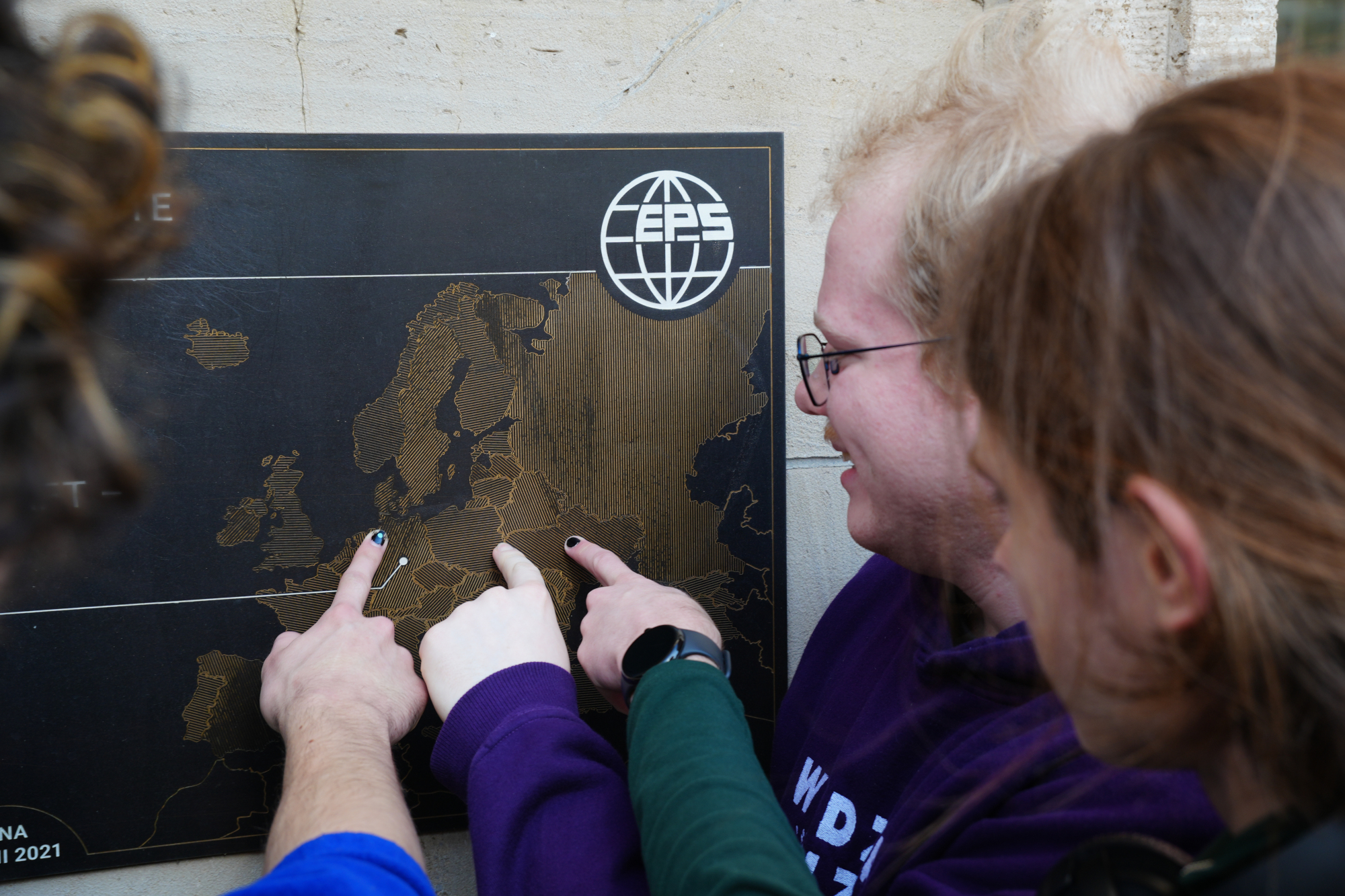
As a member of the International Association of Physics Students (IAPS), the young DPG maintains numerous international contacts. Within this framework, there are various exchange programmes. In 2026, a new format was introduced with the first jDPG-PSSF exchange, which serves to strengthen the friendship between physics students from Poland and Germany. From 25 to 28 February, the time had finally come: 40 students met in Jena for four days of exchange, networking and science.
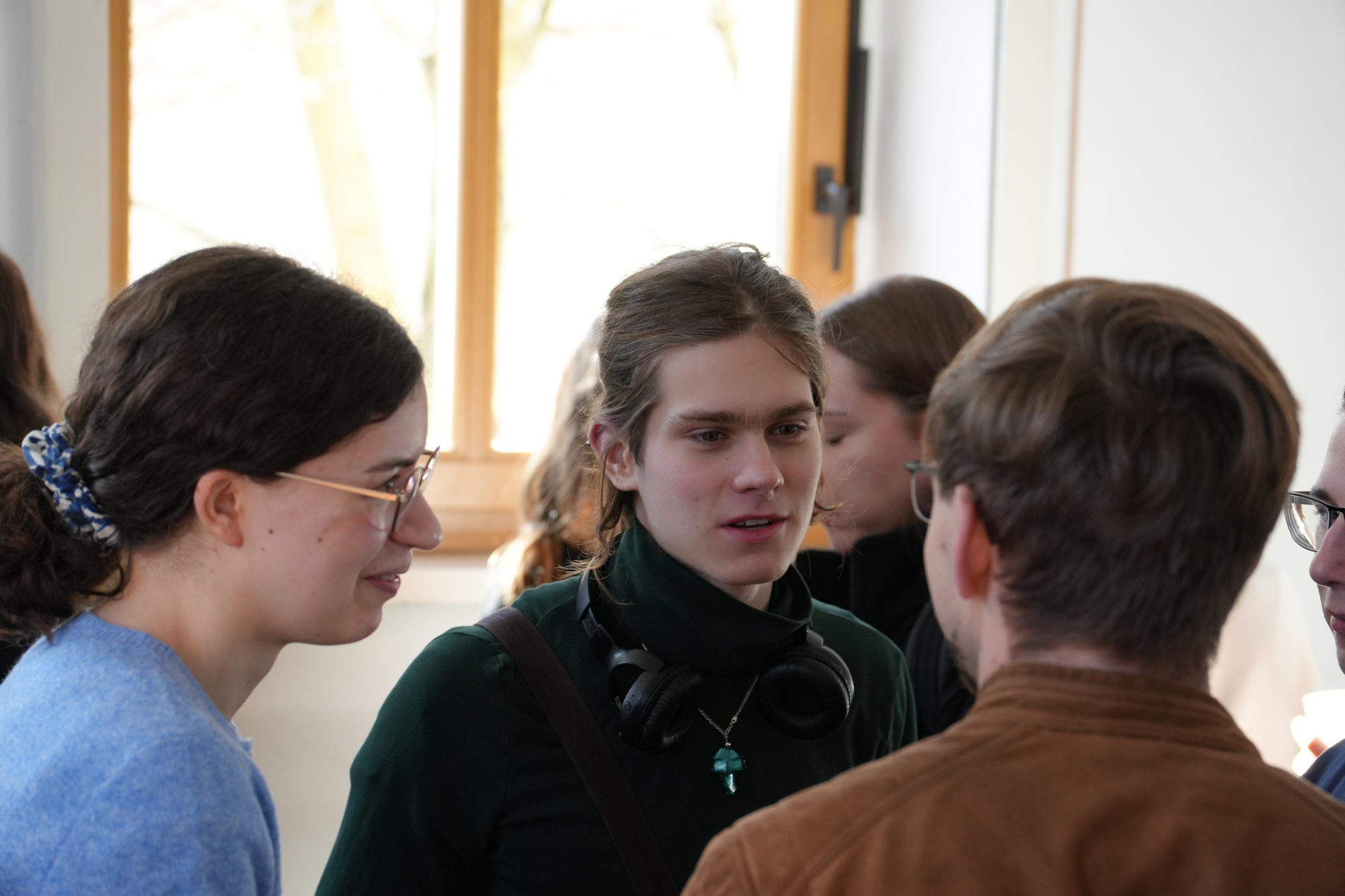
The event centred on a varied programme designed to give participants an insight into Jena as a centre of scientific research. To this end, a four-day programme packed with highlights was put together to allow participants to experience physics in Jena from a variety of perspectives. Due to historical reasons, the physics departments in Jena are spread across various locations in the city. As a result, the programme took the form of a city tour spanning several days. Moving between the different stops provided welcome breaks in the programme and allowed participants to come together in new groups each time, thereby fostering networking.
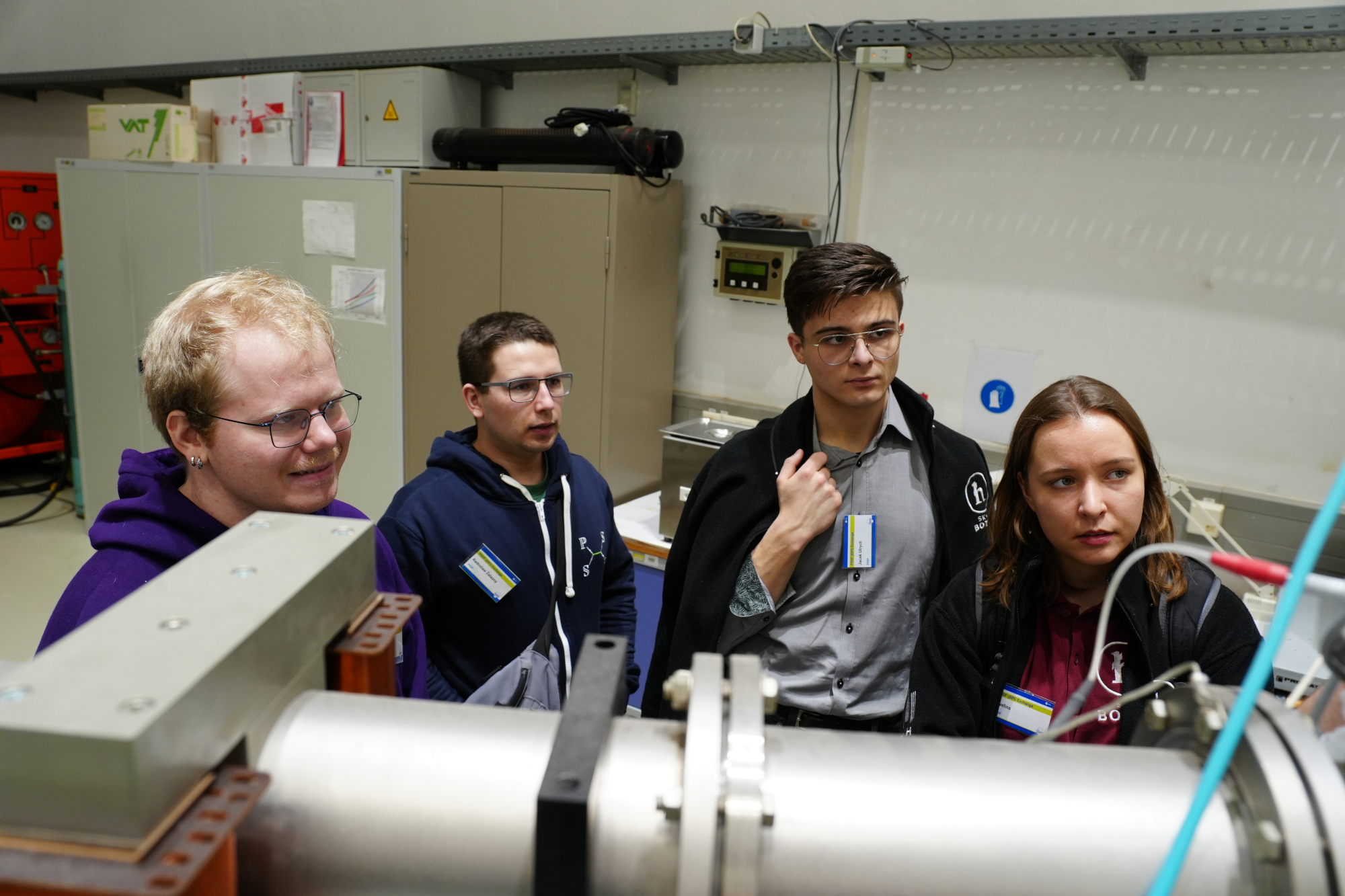
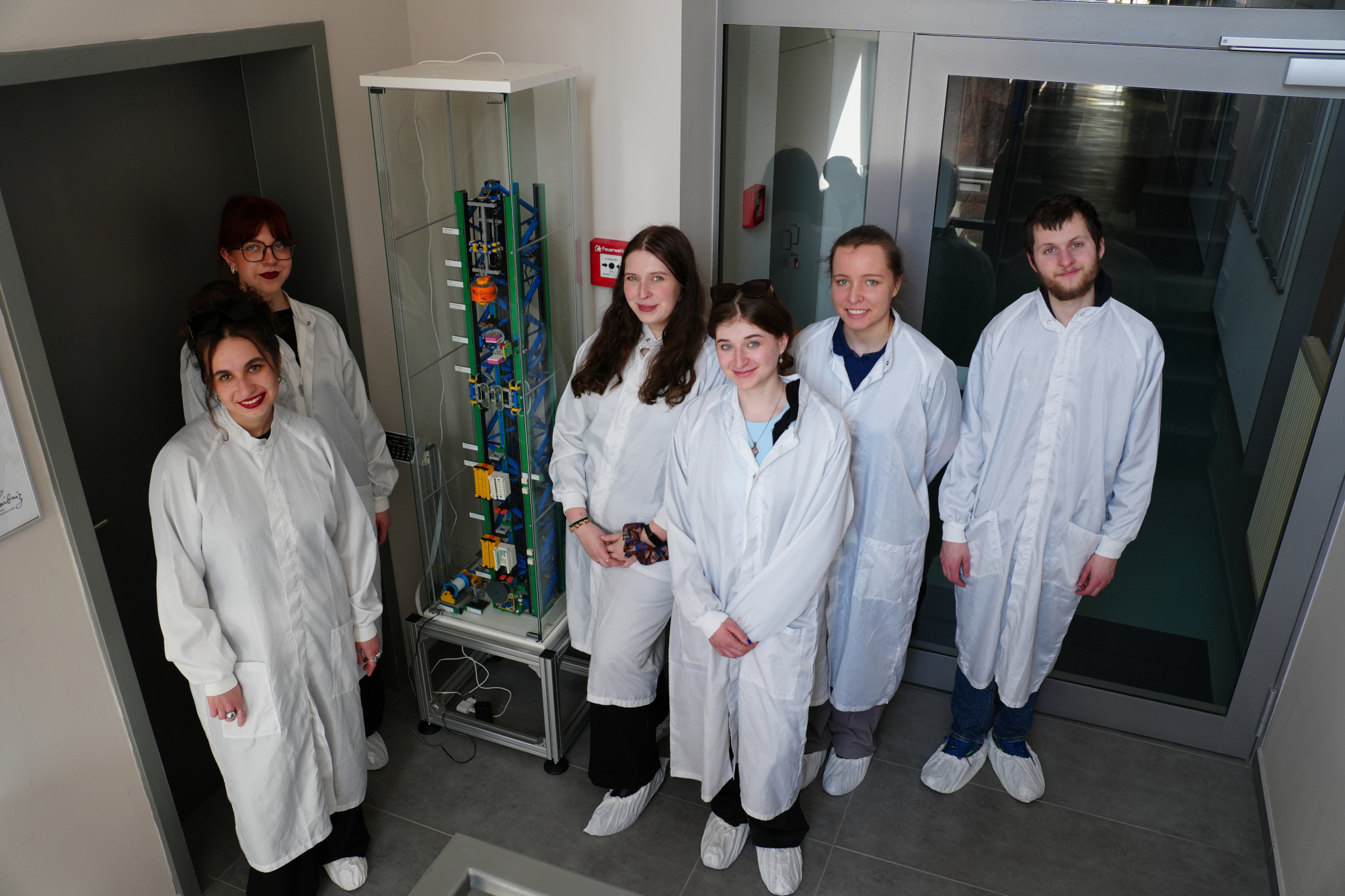
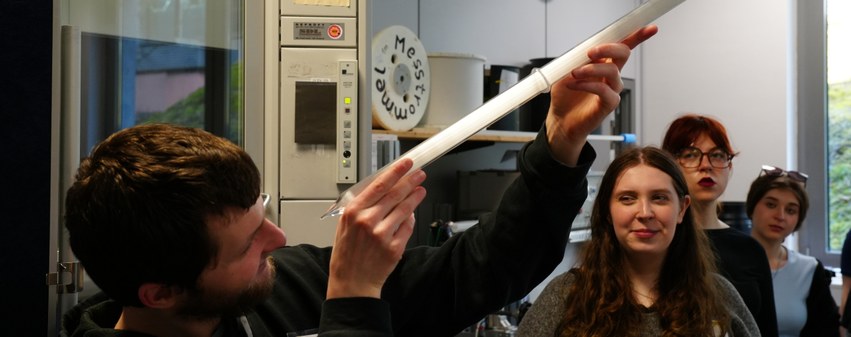
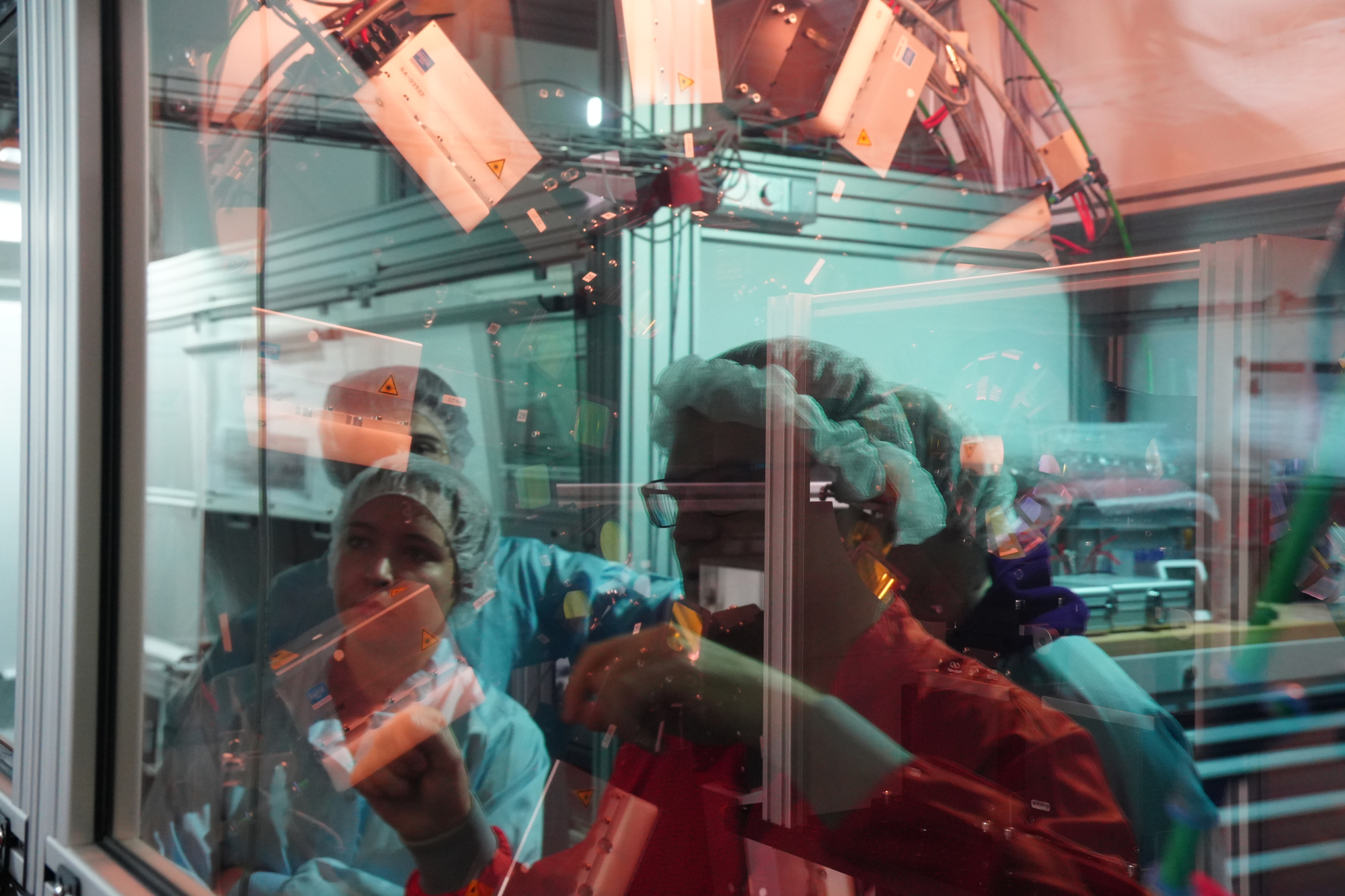
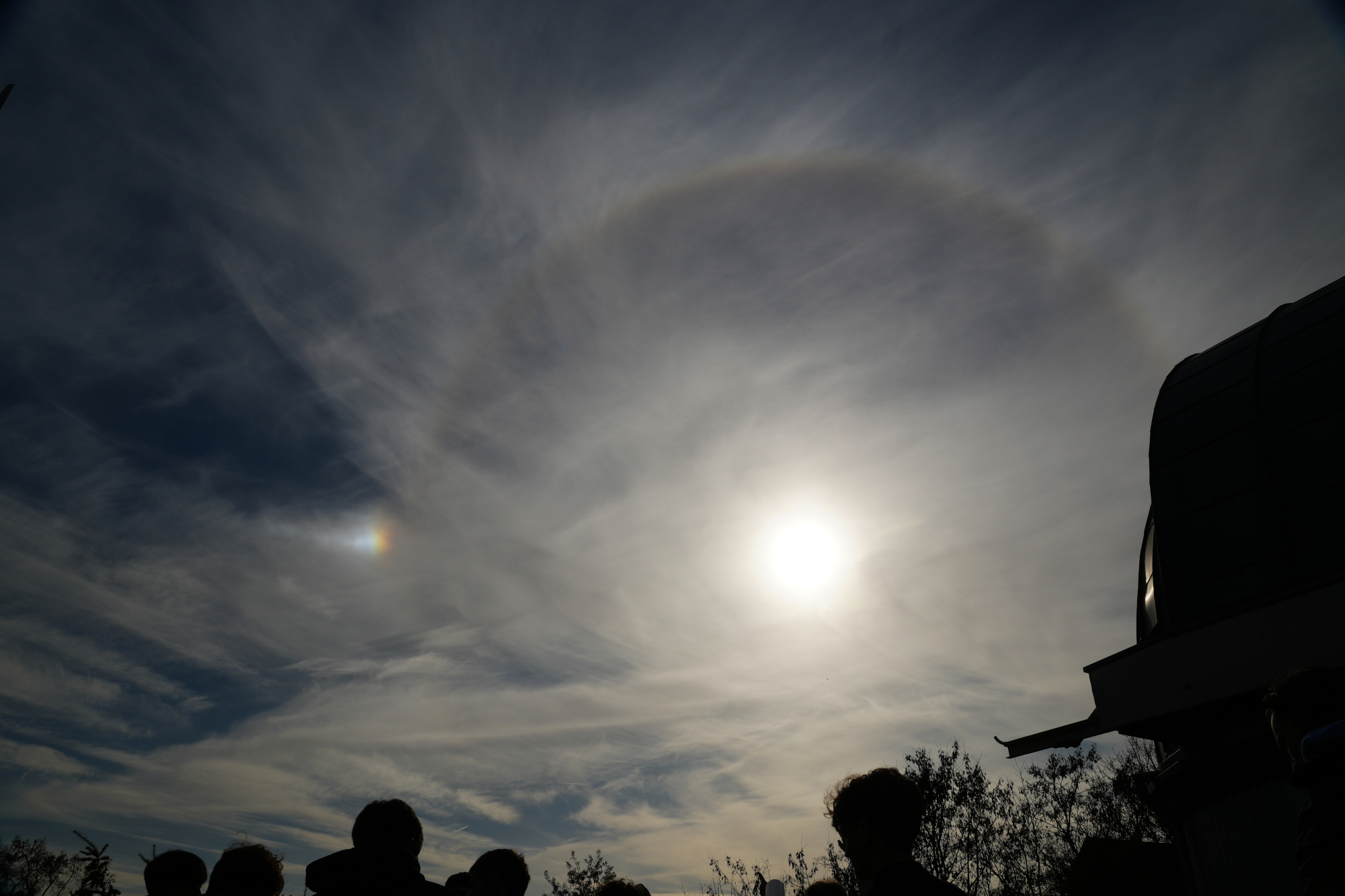
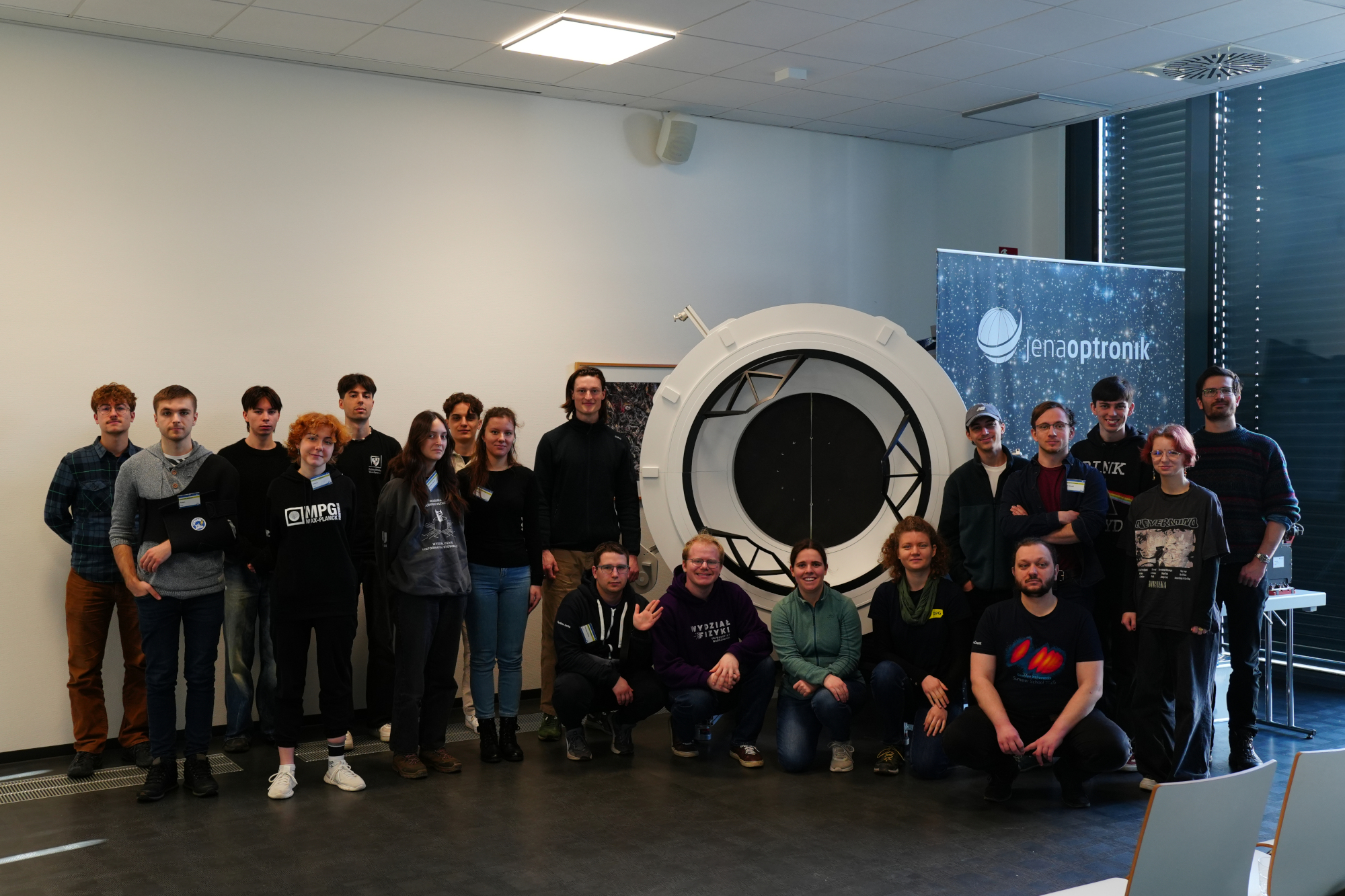
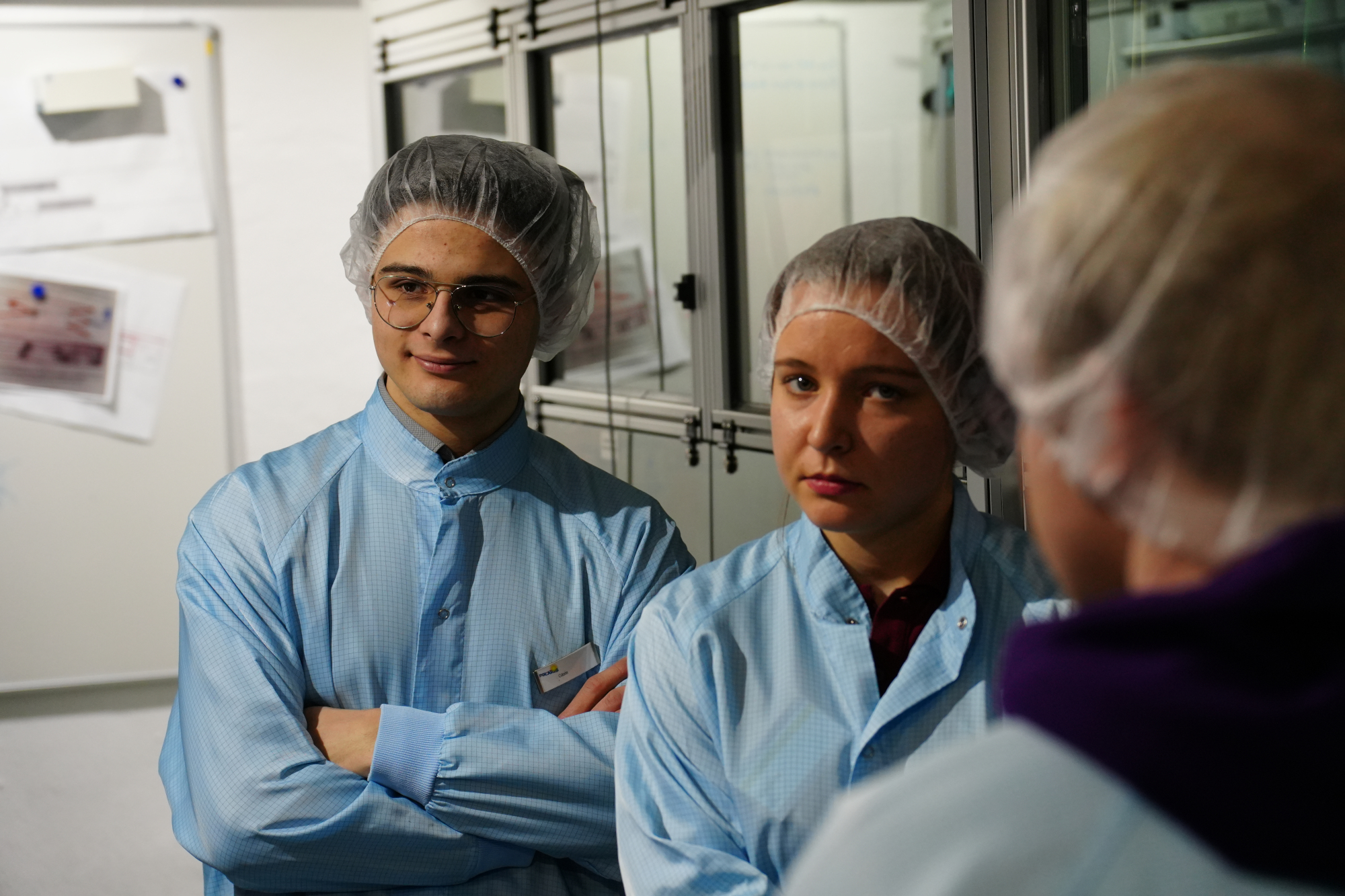
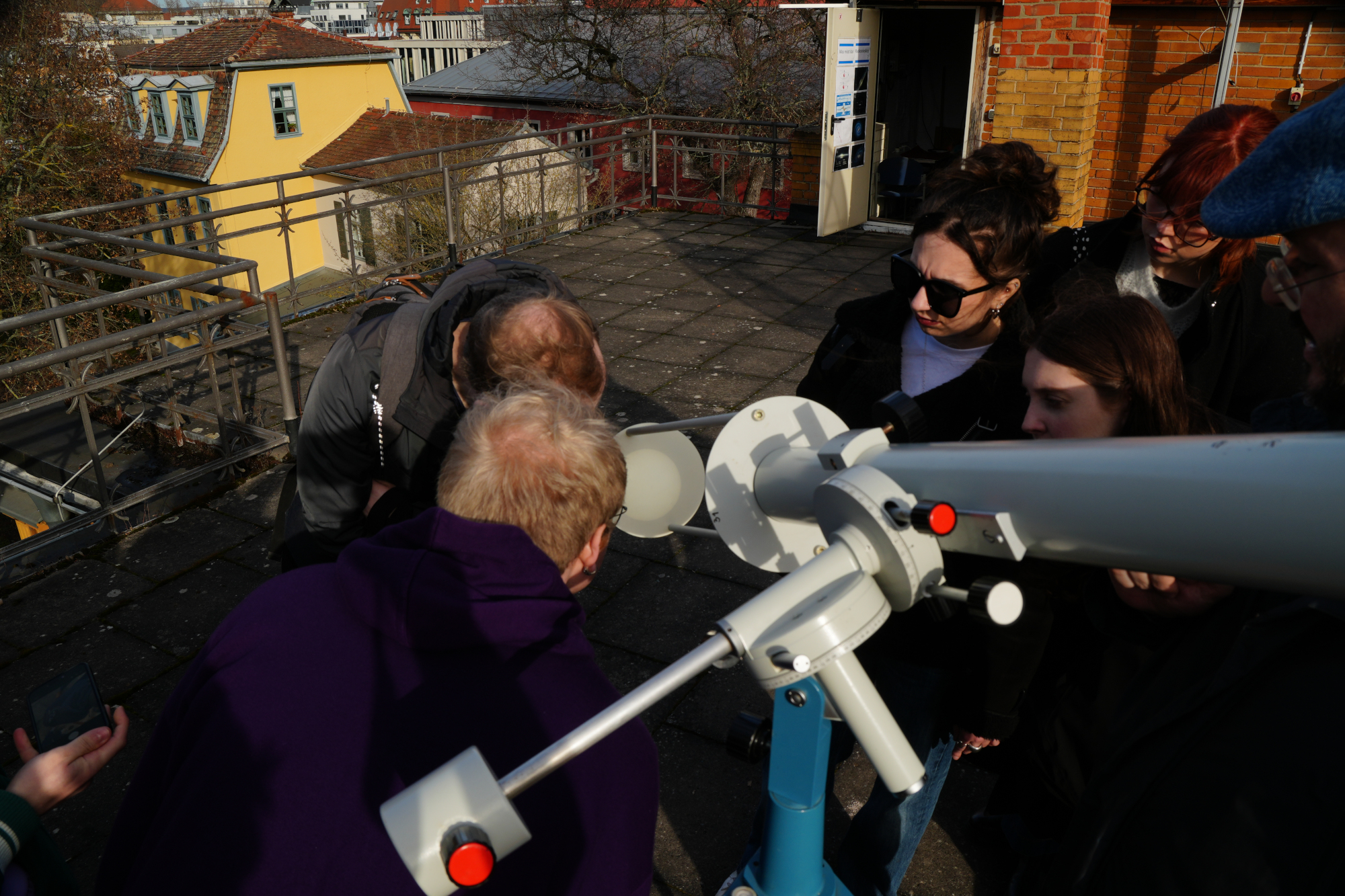
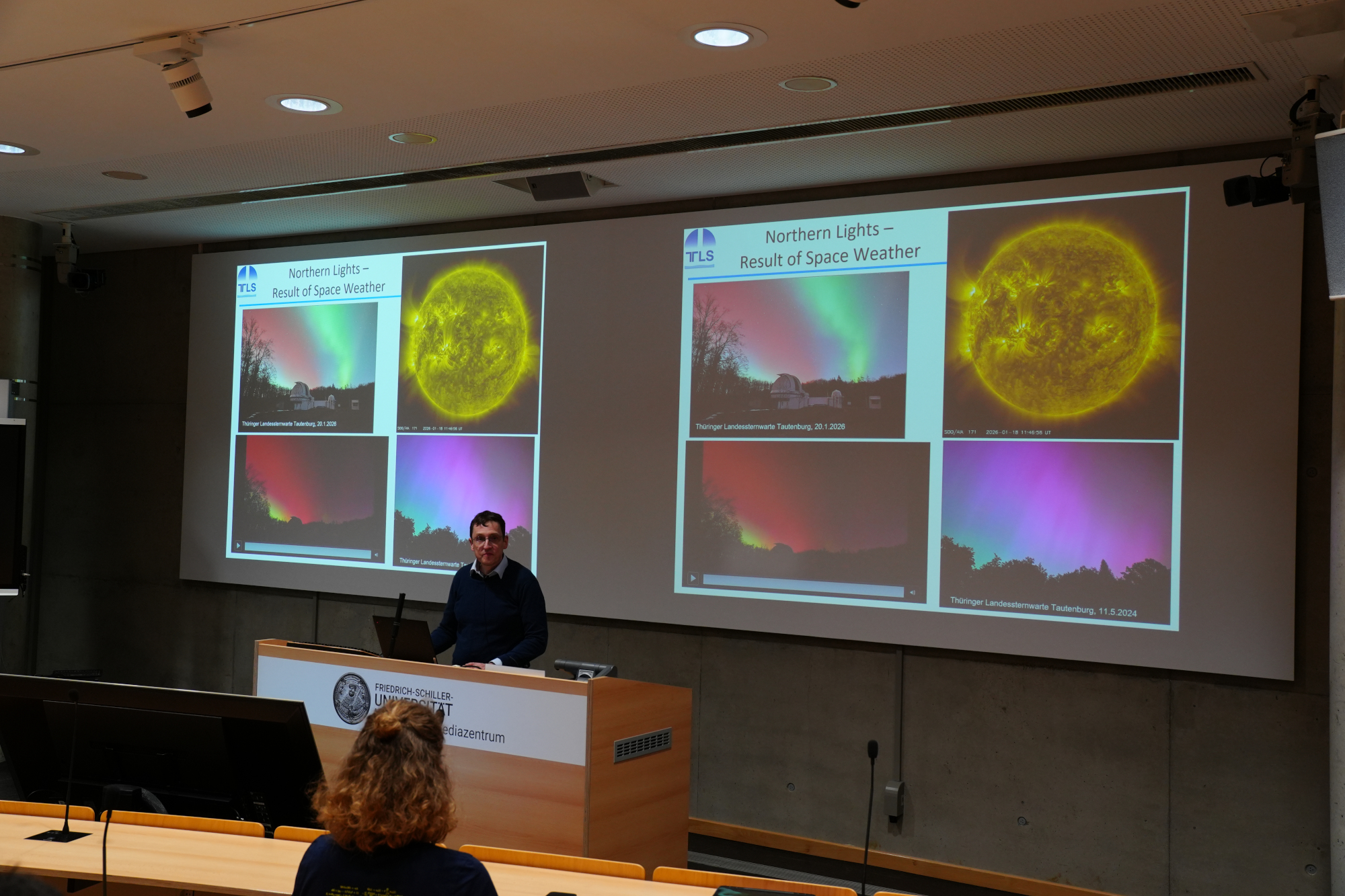
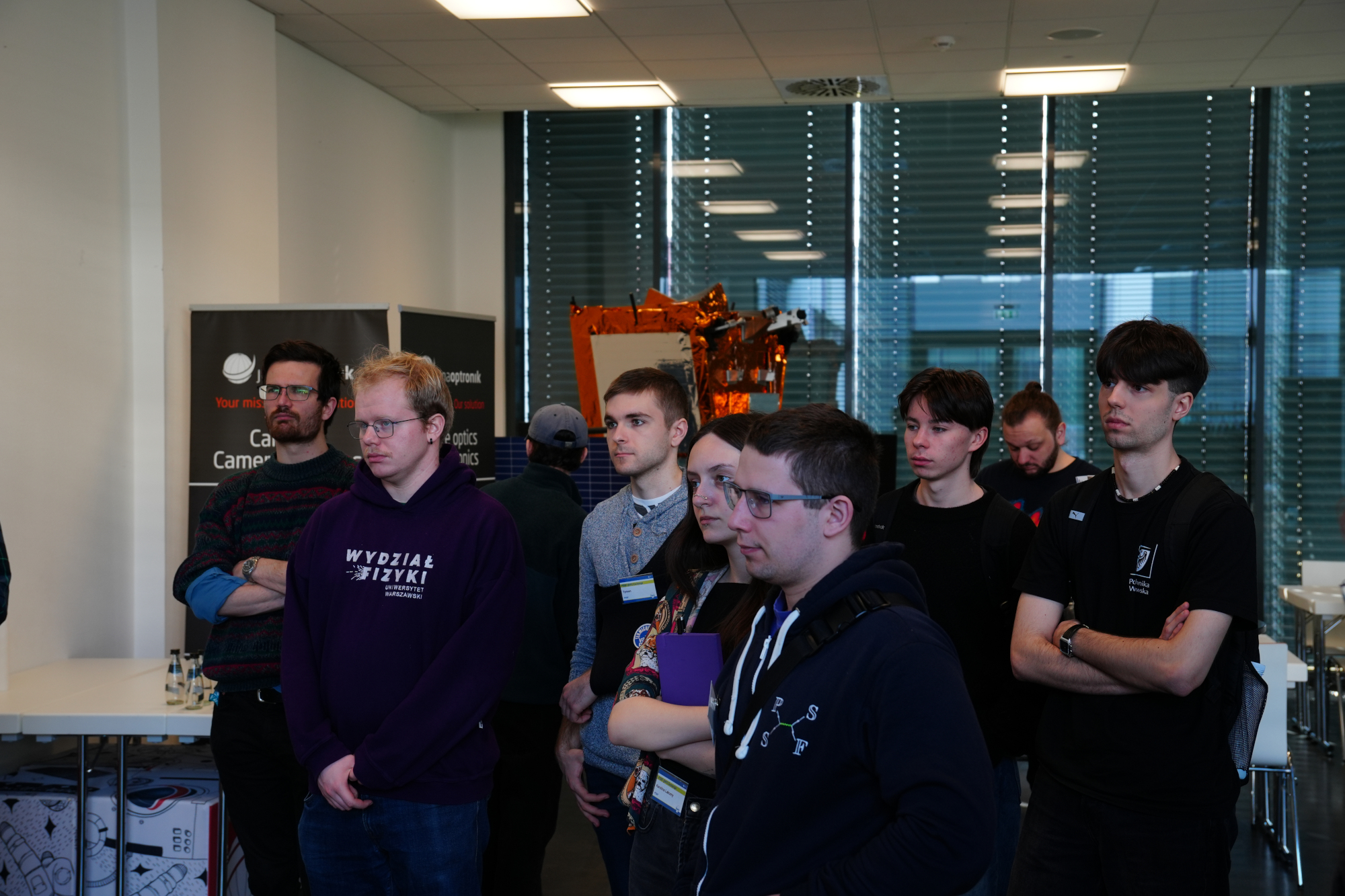
During various laboratory tours, participants were shown, for example, POLARIS, the largest laser in Jena, the ion accelerators Romeo and Julia, as well as electron beam lithography processes in the cleanroom. Participants were also given an explanation of fibre drawing in towers: the fibre, which is initially around 2,200 degrees hot, cools down during the drawing process and can be measured as it does so. This is why particularly tall towers are advantageous. The practical programme items were complemented by selected lectures. Timo Mappes provided a vivid insight into the current conversion of the German Optical Museum into an interactive museum with a conference centre, which clearly impressed the participants. Rather than a simple talk about a museum, it became clear just how much conceptual work goes into the modern and accessible design of a museum and how exciting this process is. Axel Kleidon conveyed just as much enthusiasm for his research: he describes climatic processes using entropy. In his lecture, he used the example of energy conversion to illustrate how energy can be harnessed. A company visit was also a key part of the varied programme. Participants were able to choose a destination based on their interests. One group visited Jena-Optronik, a company that develops position detection sensors for satellites and is involved in current space missions. During the explanation of these sensors, it was noteworthy that the image is deliberately defocused for position measurement. This improves the Point Spread Function and allows for a more precise determination of a star’s position. A particular highlight of the event was the visit to the Astrophysical Institute: in glorious weather, the sun was observed from the roof, and a halo phenomenon was also visible.
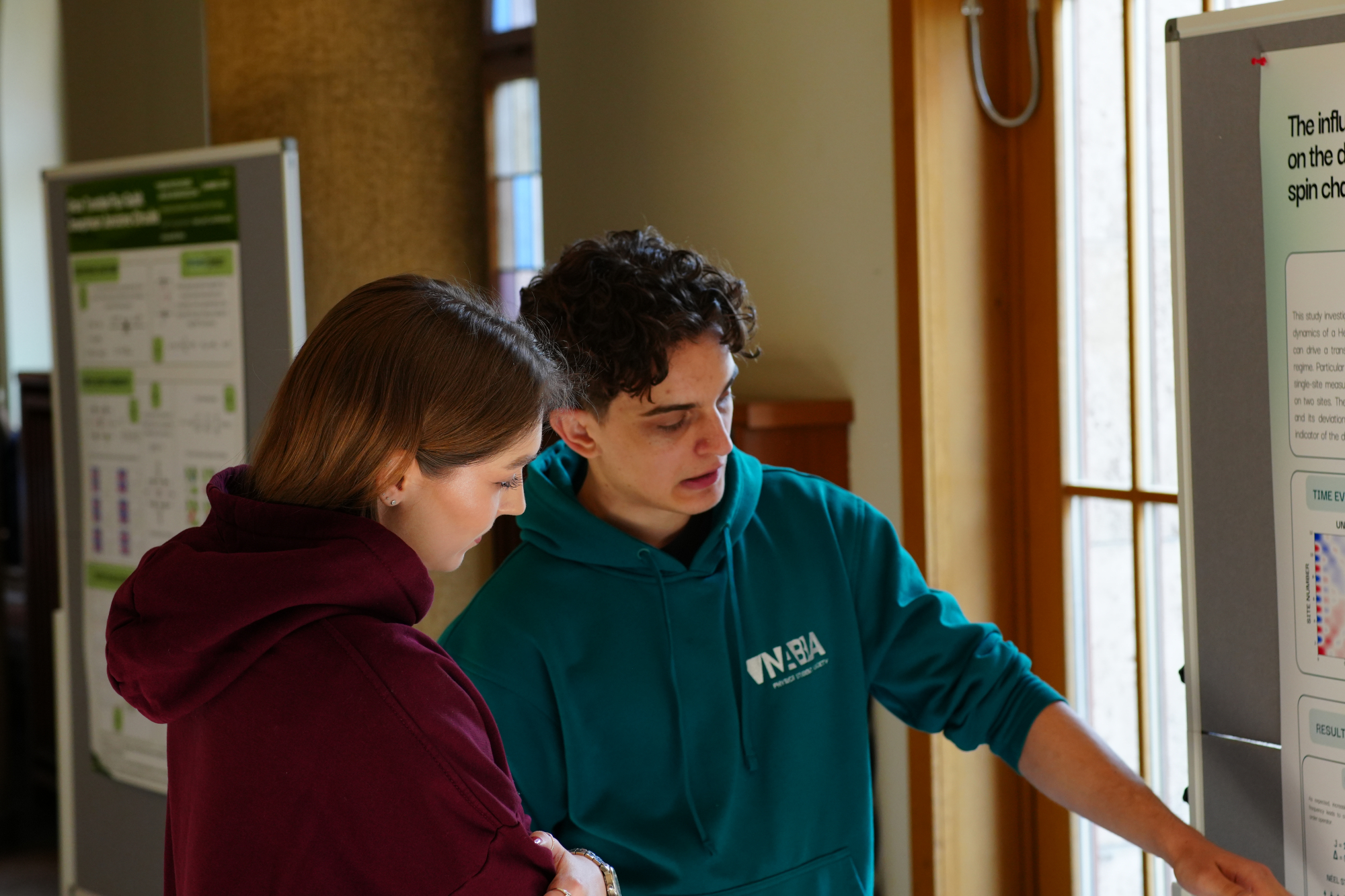
As well as the academic content, networking played a major role. On the first evening, a pub crawl took place, during which participants not only got to know one another but also discussed the differences between studying physics in Poland and Germany. The conference dinner offered an insight into Thuringian cuisine and local beer specialities. This was followed by a spontaneous night-time walk, during which the illuminated city of Jena could be admired from above. The event concluded with a poster session, where participants were able to present their own research. It provided an opportunity to deepen technical discussions and strengthen contacts before the participants set off on their journey home. Organising, planning and running the first jDPG-PSSF exchange was great fun. We look forward to experiencing an equally exciting programme in Poland next year.
Report: Samuel Ritzkowski